The House Always Wins? Why Smart Players Still Love iGaming
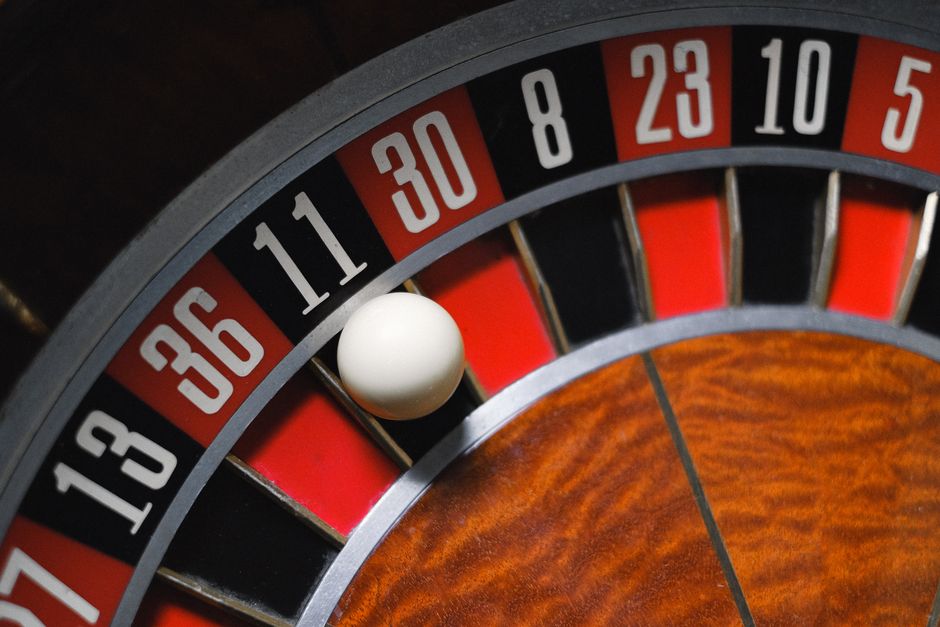
Ask anyone who has spent more than ten minutes inside an online casino and they will tell you the same thing: the pull is not really about money. It is about the moment. The spin of the reel, the flop of three cards, the final second before a penalty kick — that tiny window where absolutely anything can happen. iGaming has industrialised that moment, packaging it into apps that sit in your pocket and never close. And against all logic, millions of us keep coming back.
The industry is worth well over $100 billion globally, and it keeps growing. But the interesting story is not the size of the market. It is why players stick around, and how the smart ones manage to enjoy it without getting chewed up. That is what this piece is about.
The Real Appeal: It Was Never Just About Winning
If you stripped the money out of iGaming, most people would stop playing. That is obvious. But if you stripped the uncertainty out, everyone would stop. The product on sale at every casino, sportsbook and poker room is not cash — it is suspense.
Behavioural researchers call the driver "variable ratio reinforcement," the same mechanism that makes social media feeds so sticky. You do not know when the reward will land, so your brain keeps you in the loop. Slot designers understand this better than anyone. A modern video slot with 243 paylines, free spins, escalating multipliers and a bonus wheel is not an accident. It is a machine built to stretch the space between spins, so you stay for one more.
The other, less flattering truth: iGaming is frictionless in a way land-based gambling never was. There is no drive to the casino, no dress code, no dealer watching you lose your rent. You can open an app on the bus and stake £10 before you have decided whether you actually want to. Convenience cuts both ways.
Slots vs. Poker vs. Sports Betting: Three Different Hobbies
People lump all iGaming together, which is a mistake. Playing a slot machine and playing poker with serious regulars are about as similar as buying a lottery ticket and trading equities. It is also worth checking slot 5000 before deciding.
- Slots are pure entertainment with a fixed house edge. A typical online slot returns between 94% and 97% to players over millions of spins. You cannot influence that. Your only real decision is stake size and when to walk.
- Poker is a skill game with a rake. A good cash-game player can beat the field long term because the weaker players are the ones funding the pot. But variance is brutal, and downswings of 20 buy-ins happen even to winning players.
- Sports betting sits in between. Sharp bettors grind small edges over hundreds of bets, mostly on markets the bookmaker has mispriced. Casual punters bet for fun and pay for the privilege.
Knowing which game you are actually playing matters. If you sit at a poker table thinking you are spinning a slot, you will get eaten. If you play slots thinking your "strategy" means anything, you are just paying for a feeling — which is fine, as long as you know the price.
Bankroll Management Is the Only Skill That Travels
The single most useful habit in iGaming, whether you play slots, blackjack, poker or football accumulators, is deciding before you start what you are willing to lose. Not after. Not mid-session when you are chasing.
A workable approach looks like this:
- Set a monthly entertainment budget, in the same category as cinema trips and takeaways.
- Divide it into session stakes, not one lump sum you can burn on a Tuesday night.
- Never top up a session from your savings, credit card or emergency fund.
- Walk away when the session budget is gone. Log out, not pause.
- Review the month, not the spin. One bad night tells you nothing.
None of that is exciting, and that is exactly the point. The players who survive longest in this space are the ones who treat it as paid-for entertainment rather than a plan.
Why Slot Volatility Matters More Than RTP
RTP — return to player — gets all the attention. A 96% slot sounds great next to a 94% one. But volatility quietly shapes the actual experience.
High-volatility slots pay rarely and hugely. Classic examples like Bonanza or Money Train can go hundreds of spins without a meaningful hit, then dump a 5000x multiplier in a single bonus round. Low-volatility games like many Megaways-light titles or classic three-reelers pay small, often, and gently.
If you have £50 and play a high-volatility slot at £1 a spin, you are statistically likely to bust without ever seeing the bonus. Same £50 on a low-volatility game might give you ninety minutes of play. Neither outcome is better. They are just different products, and picking one that matches your bankroll is the difference between entertainment and frustration.
The Lines Have Blurred, and That Is Mostly Fine
Sportsbooks now offer in-play casino games. Casino apps run free-to-play sports pools. Poker rooms host slots. Streamers play all three on camera while their chat screams at them to spin faster. The old categories have collapsed into one continuous entertainment product, and for most players, that is genuinely more fun.
The catch is that this blurring also blurs the safety rules players used to apply by category. A poker player using bankroll discipline at the tables will happily punt £200 on a football accumulator because "it's just a bet." A slots player who studies RTP switches to live dealer blackjack without learning basic strategy and hands the house a 2% edge instead of 0.5%.
The fix is simple, if unglamorous: keep the discipline, adapt it per game. Same monthly budget. Different staking plan.
What Regulation Gets Right, and What It Cannot Fix
Licensed markets — the UK, Malta, Sweden, most US states now — have given players real protections. Mandatory RTP disclosure, deposit limits, cooling-off periods, self-exclusion schemes like GAMSTOP, and advertising rules that prevent casinos from targeting minors. These are meaningful and have measurably reduced harm in regulated markets.
What regulation cannot do is make a game profitable for you. No licence, no audit and no responsible gambling logo turns a negative-expectation product into a positive one. That is not a flaw in the system. It is the system. Casinos are businesses, and the house edge is how they stay in business.
So the honest conclusion is not "never play" or "play responsibly" in a hollow way. It is this: iGaming is a fantastic hobby, a terrible income plan, and a fascinating ecosystem. Treat it like a night out — decide what you will spend, go in knowing you might come out empty, tip the dealer, and go home on time. That is the version of gambling that makes sense for almost everyone.
The reel will still be spinning tomorrow. You do not have to be there for every rotation.